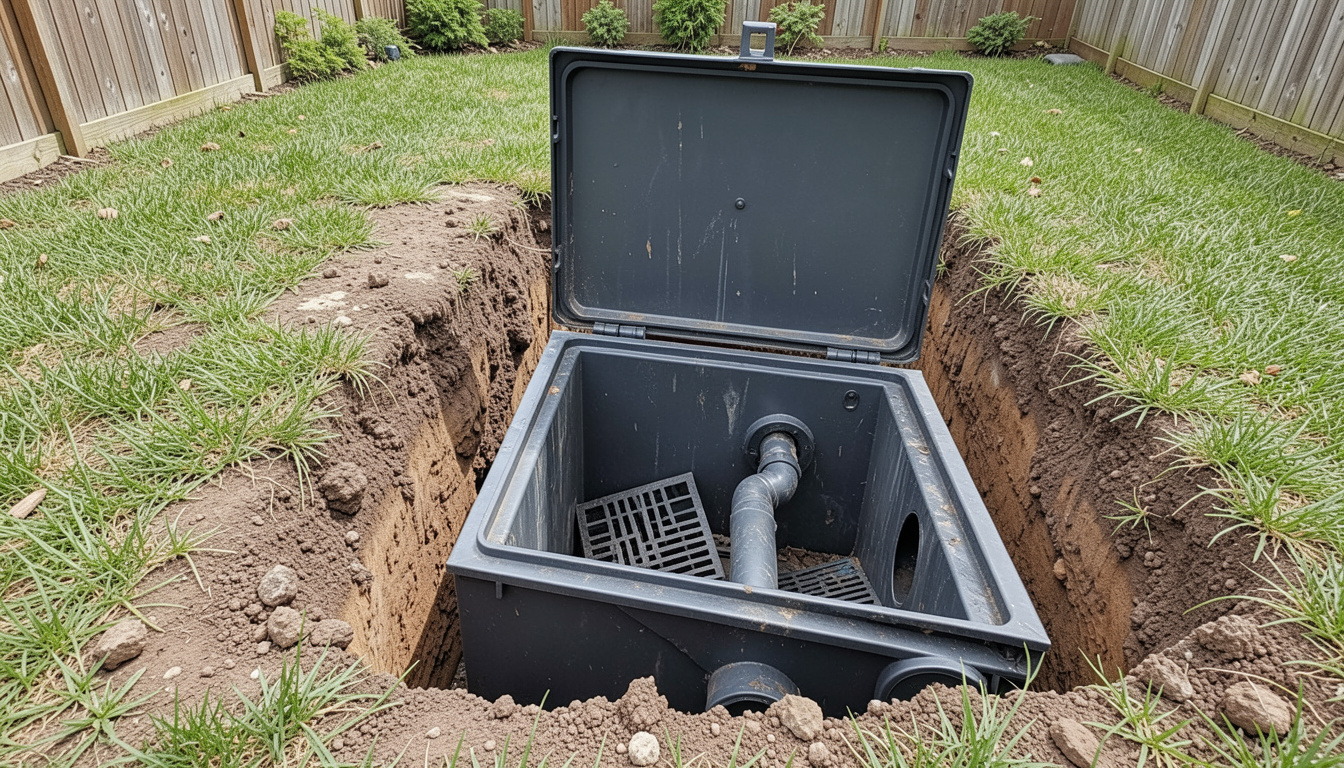
When we talk about home plumbing, most people think about fancy faucets or nice showers. However, the Caixa de Esgoto is the real hero of your home’s hidden system. Think of it as a small junction box for your dirty water. Every time you flush a toilet or drain a sink, that water travels through pipes to this central point. Its main job is to collect waste and send it safely toward the city sewer lines. Without a proper caixa de esgoto, your pipes would likely clog every single month. It acts as an accessible “check-up” spot where you can clear out debris before it becomes a massive, expensive problem for your family.
Why Your Home Needs a High-Quality Sewer Box
Having a sturdy caixa de esgoto is not just a building rule; it is a way to protect your health. When wastewater sits in pipes, it can leak into the ground or create terrible smells. A well-installed caixa de esgoto seals these odors away from your living room and garden. I have seen many homeowners try to skip this step to save money, only to face flooded backyards later. It provides a transition point that manages water pressure and prevents backups. If you want a house that stays fresh and functional, investing in a high-quality sewer inspection box is the smartest move you can make during construction.
The Different Types of Materials Used
You can find a caixa de esgoto made from several different materials today. The most traditional style is built with bricks and mortar, known as masonry. These are strong but can crack over time if the ground shifts. Nowadays, many people prefer a caixa de esgoto made of PVC or high-density plastic. These are great because they are light, easy to install, and totally waterproof. Another heavy-duty option is the pre-cast concrete box. Concrete is very tough and lasts for decades, making it a favorite for large driveways where cars might drive over the sewer lines. Choosing the right material depends on your budget and where you plan to put it.
Where is the Best Place to Install It?
Location is everything when it comes to your caixa de esgoto. You should never hide it under a permanent floor or a heavy wall. It must be easy to reach because, eventually, you will need to open it for cleaning. Usually, a caixa de esgoto sits in the backyard, side alley, or front garden. It should be placed at every point where the sewer line changes direction. This is because clogs usually happen at corners. By putting a caixa de esgoto at these turns, you make it simple for a plumber to run a cleaning snake through the pipes. Always keep the lid visible or at least marked on your house map.
How a Sewer Box Prevents Bad Smells
Nobody wants their home to smell like a bathroom all day long. A properly functioning caixa de esgoto uses a water seal or a heavy lid to keep gases trapped. These gases are created by decomposing waste in the main city line. If your caixa de esgoto is cracked or doesn’t have a tight cover, those smells will drift right into your yard. In many systems, a grease trap works alongside the caixa de esgoto to catch kitchen oils. Together, they ensure that the air around your home stays clean and breathable. If you start noticing a “rotten egg” scent, your first step should be checking the seal on your sewer box.
Essential Maintenance Tips for Homeowners
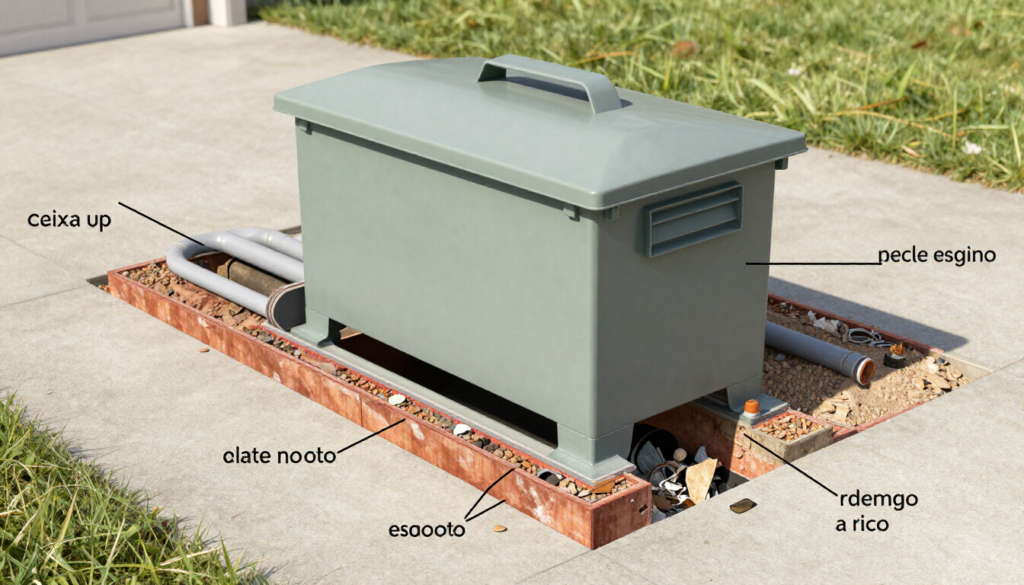
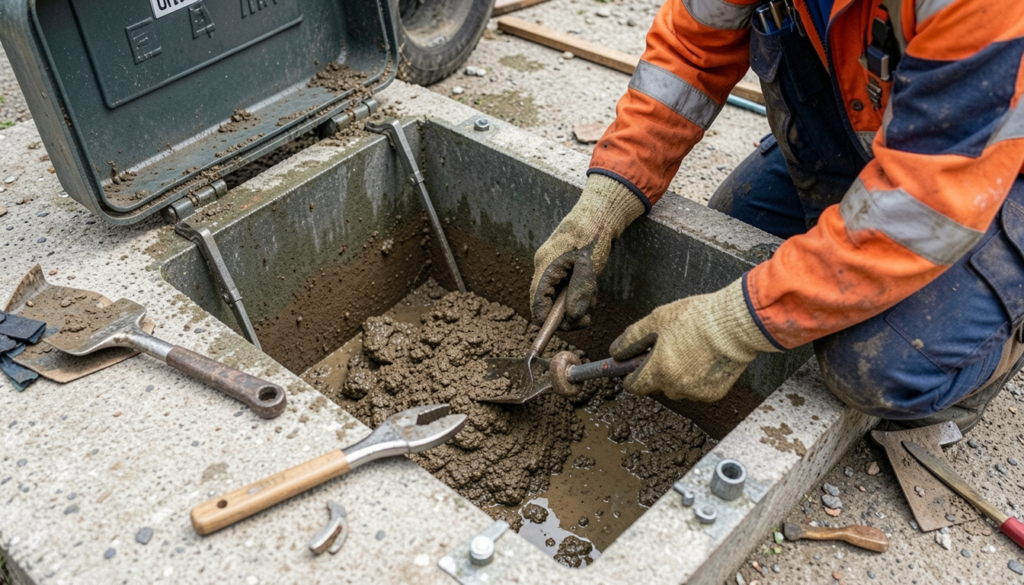
Maintaining your caixa de esgoto is much easier than fixing a broken pipe. I recommend checking the box at least twice a year. Open the lid carefully and look for any buildup of sludge or solid waste. You can use a long tool to remove debris, but never use your bare hands. A healthy caixa de esgoto should have water flowing through it freely without any standing pools of gunk. If the water looks like it is rising too high, you might have a blockage further down the line. Regular cleaning prevents “fatbergs” from forming, which are hard clumps of grease and wipes that can ruin your entire plumbing system.
Common Problems and How to Fix Them
The most frequent issue with a caixa de esgoto is a clog caused by things that shouldn’t be flushed. This includes wet wipes, hair, and kitchen grease. When these items get stuck in the caixa de esgoto, the water backs up into your house. Another problem is tree roots. Roots love water and will find tiny cracks in a concrete caixa de esgoto to grow inside. Once inside, they act like a spider web catching all the waste. To fix this, you might need a professional to cut the roots and reseal the box. Small cracks can often be patched with waterproof cement or specialized sealants found at hardware stores.
The Difference Between a Grease Trap and a Sewer Box
Many people get confused between a grease trap and a caixa de esgoto. While they look similar, they have very different jobs. A grease trap is usually smaller and sits near the kitchen. It catches oil and fat so they don’t turn into solid “rocks” in your pipes. The caixa de esgoto is much larger and handles waste from the entire house, including toilets and showers. You usually send the water from the grease trap into the caixa de esgoto before it heads out to the street. Using both together is the best way to ensure your plumbing stays “healthy” and free of major obstructions for many years.
DIY Installation vs. Hiring a Professional
Can you install a caixa de esgoto yourself? If you love digging and have some basic plumbing knowledge, you might try a plastic pre-made model. These are “plug and play” and much easier for a DIY project. However, getting the slope of the pipes right is very tricky. If the pipes leading to the caixa de esgoto are too flat, the waste won’t move. If they are too steep, the water moves too fast and leaves the solids behind. For a concrete caixa de esgoto, I always suggest hiring a pro. They ensure the box is level and the seals are perfect, saving you from a smelly disaster later on.
Signs Your Sewer Box Needs Urgent Help
You need to check your caixa de esgoto immediately if your sinks are draining slowly. Another big warning sign is a gurgling sound coming from your toilet when you run the shower. This usually means air is trapped because the caixa de esgoto is full or blocked. Also, look for patches of grass in your yard that are much greener and taller than the rest. This often means your caixa de esgoto is leaking nutrient-rich wastewater into the soil. Don’t wait for the sewage to overflow onto your floor! Acting quickly when you see these signs can save you thousands of dollars in emergency plumbing repairs.
Frequently Asked Questions
1. How often should I clean my caixa de esgoto?
For most families, cleaning it once a year is enough. However, if you have a large family or cook with a lot of oil, checking it every six months is a safer bet to avoid clogs.
2. Can I use chemicals to clean the box?
It is best to avoid harsh chemicals. They can damage the pipes and kill the good bacteria that help break down waste. Manual cleaning or high-pressure water jets are much better options for your caixa de esgoto.
3. What size should my sewer box be?
A standard home usually uses a 40x40cm or 60x60cm box. The size depends on how many bathrooms you have and how deep your pipes are buried in the ground.
4. Why is there standing water in my caixa de esgoto?
A small amount of water at the bottom is normal in some designs. However, if the water is deep or covering the inlet pipes, it means there is a blockage downstream that needs to be cleared.
5. Can I drive my car over the sewer box lid?
Only if you have a heavy-duty cast iron or reinforced concrete lid. Standard plastic lids will crack under the weight of a vehicle. Always check the load rating before installing one in a driveway.
6. Does a caixa de esgoto attract pests?
If the lid is not sealed properly, it can attract cockroaches or flies. Keeping a tight, heavy lid on your caixa de esgoto is the best way to keep pests out of your plumbing and away from your home.
Conclusion
In summary, the caixa de esgoto is a vital part of a clean and happy home. It manages waste, prevents clogs, and keeps your yard smelling fresh. By choosing the right materials and performing a little bit of maintenance every year, you can avoid the stress of plumbing emergencies. Remember, a little bit of attention today prevents a big mess tomorrow! If you haven’t checked your sewer box in a while, grab a pair of gloves and take a look this weekend. Your home (and your nose) will definitely thank you for it. Do you have more questions about your home’s plumbing? Feel free to reach out or leave a comment below!